

Publication of the report on EU banking structures

The European Central Bank (ECB) publishes today its annual report on EU banking structures. The report, which has been published every year since 2002, reviews the main structural developments in the EU banking sector in 2007 and the first half of 2008. It also contains two special features on the incentive structure of the originate and distribute model of financial intermediation and the on a survey of EU banks on major risks on the year ahead (covering the period from spring 2008 spring 2009).rnrnThe most important structural developments that took place in the EU banking sector are as follows: rnrnThe consolidation process (as indicated by the decreasing number of credit institutions) continued in 2007, although with signs of a moderate slowdown. Overall, the number of credit institutions declined by 162 (from 8,512 to 8,350) while the corresponding figure in 2006 was 179. Market concentration increased, reflecting, on the one hand, the decline in the number of credit institutions and, on the other, the dynamic growth of certain banking groups, partly as a result of mergers and acquisitions (M&A) activity. While the total number of M&A transactions declined in 2007,the total value of M&As, increased with 2007 being the second consecutive year in which the total value of M&A transactions exceeded that of 2000, which marked the previous peak. A further noteworthy trend is the significant increase in the number of acquisitions by EU credit institutions of banks located in third countries, which had been larger than the respective figure for domestic deals over the past three years. Finally, intermediation continued to increase in the EU, with the ratio of banking assets to GDP in the EU as a whole rising from 319% in 2006 to 334% in 2007. rnrnThe special feature on the incentive structure of the originate and distribute model first presents the main developments in the originate and distribute model before and during the financial turmoil. Subsequently, it reviews the possible conflicts of interest, or misaligned incentives, between the key actors involved in this model, namely originators, intermediaries and third parties and discusses the role of investors. Finally, the special feature considers various measures that could mitigate conflicts of interest in the originate and distribute model, such as retaining ownership of some risk in structured finance transactions, reviewing remuneration schemes and improving the documentation for securitisation transactions.rnrnThe special feature on the survey of EU banks on major risks in the year ahead presents the findings of the fourth survey on banks perception of the main risks for the coming year (i.e. the period spring 2008 to spring 2009). The EU banks participating in the 2008 survey identified financial markets as the major source of risks for the period under investigation, followed by macro-economic developments. This contrasts with the results from the three previous surveys (conducted in 2004, 2005 and 2006) where banks consistently ranked macro-economic developments as the most important source of risks. The outcome of the 2008 survey reflects the high degree of uncertainty about the potential impact of current financial market developments on banks financial results and capital positions. On the opposite end of the spectrum, the survey showed that risks stemming from regulatory developments or from individual strategic developments were viewed by banks as the least important. This can be attributed to the fact that the uncertainty on some key regulatory initiatives (e.g. the Capital Requirements Directive and the Markets in Financial Instruments Directive) has declined. However, it should be highlighted that the survey only presents a relative ranking of risks and that all risks identified are important and should be managed efficiently.rnrnThe report was prepared by the Banking Supervision Committee of the European System of Central Banks (ESCB). The Committee comprises representatives of the national central banks and banking supervisory authorities of the European Union and the ECB. rnrnThe report can be downloaded from the Publications section of the ECBs website (http://www.ecb.europa.eu/pub).rn
Comentarii
Nu există comentarii pentru această știre.
Adauga un comentariu
Alte stiri din categoria: Ultima Ora
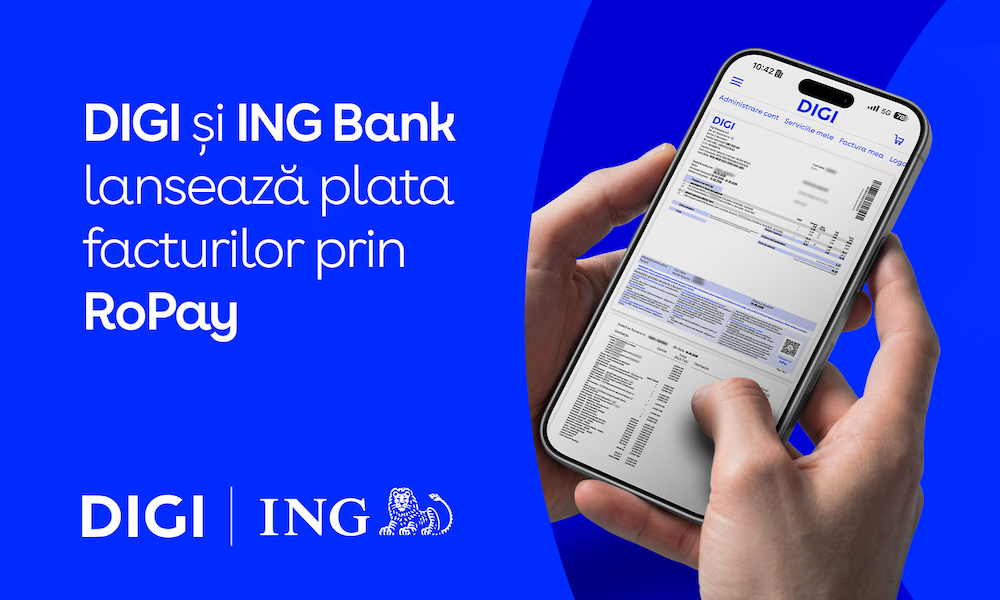
Facturile Digi se pot plăti și prin Ropay, gratuit, instant și mai simplu decât cu cardul
ING Bank România și DIGI introduc plata facturilor de telecomunicații prin intermediul RoPay, soluție complet digitală și gratuită prin care abonații DIGI pot achita facturile instant, fără a mai introduce... detalii

Aplicația BT Go are chat cu AI
BT Go a depășit pragul de 600.000 de companii care folosesc aplicația pentru business și banking din România, anunță Banca Transilvania într-un comunicat, în care se adaugă: De asemenea, de... detalii

Promoție Banca Transilvania pentru românii din diaspora
Banca Transilvania aduce diaspora mai aproape de România prin prima campanie de shopping bancar dedicată românilor din alte țări, Acasă e oriunde simți că se poate. Campania se desfășoară exclusiv... detalii
BNR cere clarificări de la Consiliul Concurenței privind cazul ROBOR
Pentru corecta informare a opiniei publice, BNR consideră că este necesară clarificarea în continuare de către Consiliul Concurenței a mai multor aspecte privind amenda aplicată băncilor în cazul ROBOR. Comunicatul... detalii
 Băncile au încercat să oprească investigația Consiliului Concurenței privind ROBOR
- Consiliul Concurenței nu înțelege mecanismele pieței monetare, acuză Exim Banca Românească
- Investigația privind ROBOR nu are nicio dovadă privind înțelegeri între bănci, spune Raiffeisen
- CEC Bank: respingem orice acuzație de manipulare a ratei ROBOR
- Băncile au fost amendate de Consiliul Concurenței pentru "coordonarea comportamentului" în stabilirea ROBOR
- CEC Bank deschide agenții digitale
- Pacienții Enayati Hospital București pot face credite online la BT Direct
- În premieră istorică, angajații unei bănci, BRD, au ieșit în stradă la protest
- Asigurările de locuințe nu acoperă riscuri generate de război
- Băncile sunt închise luni, 1 iunie
Vezi toate stirile





Topuri Banci
- Topul bancilor dupa active si cota de piata in perioada 2022-2015
- Topul bancilor cu cele mai mici dobanzi la creditele de nevoi personale
- Topul bancilor la active in 2019
- Topul celor mai mari banci din Romania dupa valoarea activelor in 2018
- Topul bancilor dupa active in 2017
Asociatia Romana a Bancilor (ARB)
- Conducerea ARB rămâne neschimbată
- Lecții de educație financiară pentru profesori
- Băncile din România nu au majorat comisioanele aferente operațiunilor în numerar
- Concurs de educatie financiara pentru elevi, cu premii in bani
- Creditele acordate de banci au crescut cu 14% in 2022
ROBOR
- ROBOR: ce este, cum se calculeaza, ce il influenteaza, explicat de Asociatia Pietelor Financiare
- ROBOR a scazut la 1,59%, dupa ce BNR a redus dobanda la 1,25%
- Dobanzile variabile la creditele noi in lei nu scad, pentru ca IRCC ramane aproape neschimbat, la 2,4%, desi ROBOR s-a micsorat cu un punct, la 2,2%
- IRCC, indicele de dobanda pentru creditele in lei ale persoanelor fizice, a scazut la 1,75%, dar nu va avea efecte imediate pe piata creditarii
- Istoricul ROBOR la 3 luni, in perioada 01.08.1995 - 31.12.2019
Taxa bancara
- Normele metodologice pentru aplicarea taxei bancare, publicate de Ministerul Finantelor
- Noul ROBOR se va aplica automat la creditele noi si prin refinantare la cele in derulare
- Taxa bancara ar putea fi redusa de la 1,2% la 0,4% la bancile mari si 0,2% la cele mici, insa bancherii avertizeaza ca indiferent de nivelul acesteia, intermedierea financiara va scadea iar dobanzile vor creste
- Raiffeisen anunta ca activitatea bancii a incetinit substantial din cauza taxei bancare; strategia va fi reevaluata, nu vor mai fi acordate credite cu dobanzi mici
- Tariceanu anunta un acord de principiu privind taxa bancara: ROBOR-ul ar putea fi inlocuit cu marja de dobanda a bancilor
Statistici BNR
- Deficitul contului curent, cu 12% mai mic după prima treime a anului
- Deficitul contului curent, cu 12% mai mic după primele două luni ale anului
- Deficitul contului curent, scădere cu peste 5% în ianuarie 2026
- Indicatorii sistemului bancar la finalul anului 2025
- Indicatorii sistemului bancar la finalul T3 2025
Legislatie
- OUG 13/2011 privind dobânda legală remuneratorie și penalizatoare
- Legea 243 din 2024 privind plafonarea dobânzilor la creditele IFN
- Proiectul OUG privind contractele de credit de consum
- Proiectul de Lege privind contractele de credit de consum
- Decizia nr.105/2007 privind raportarea la Biroul de Credit
Lege plafonare dobanzi credite
- Care este dobanda maxima la un credit IFN?
- BNR propune Parlamentului plafonarea dobanzilor la creditele bancilor intre 1,5 si 4 ori peste DAE medie, in functie de tipul creditului; in cazul IFN-urilor, plafonarea dobanzilor nu se justifica
- Legile privind plafonarea dobanzilor la credite si a datoriilor preluate de firmele de recuperare se discuta in Parlament (actualizat)
- Legea privind plafonarea dobanzilor la credite nu a fost inclusa pe ordinea de zi a comisiilor din Camera Deputatilor
- Senatorul Zamfir, despre plafonarea dobanzilor la credite: numai bou-i consecvent!
Anunturi banci
- BRD aderă la contractul colectiv de muncă încheiat de CPBR cu sindicatele
- Libra Bank și-a majorat profitul cu 20%, la 324 milioane lei
- Programul BCR de sărbătorile de Paște
- Programul Banca Transilvania în perioada Sărbătorilor
- Programul BCR de Sărbători
Analize economice
- Românii, pe locul 4 în UE la numărul de ore lucrate săptămânal
- Deficitul comercial lunar a trecut iar pragul de 3 miliarde euro în aprilie 2026
- Comerțul cu amănuntul, -5,5% pe primele patru luni din 2026
- PIB-ul României va crește cu 0,2% în 2026, prognozează economistul Banca Transilvania
- Deficitul bugetar, doar -1,17% după prima treime a anului
Ministerul Finantelor
- Măsuri pentru accelerarea absorbției fondurilor europene
- Bilete la băi pentru pensionari în 2026
- Declarația Unică precompletată se găsește în secțiunea Mesaje din Spațiul Privat Virtual (SPV)
- Asociații nu pot ieși dintr-o firmă cu datorii la stat fără informarea fiscului
- Ce prevede proiectul de buget pentru 2026 publicat de Ministerul Finanțelor
Biroul de Credit
- FUNDAMENTAREA LEGALITATII PRELUCRARII DATELOR PERSONALE IN SISTEMUL BIROULUI DE CREDIT
- BCR: prelucrarea datelor personale la Biroul de Credit
- Care banci si IFN-uri raporteaza clientii la Biroul de Credit
- Ce trebuie sa stim despre Biroul de Credit
- Care este procedura BCR de raportare a clientilor la Biroul de Credit
Procese
- ANPC pierde un proces cu Intesa si ARB privind modul de calcul al ratelor la credite
- Un client Credius obtine in justitie anularea creditului, din cauza dobanzii prea mari
- Hotararea judecatoriei prin care Aedificium, fosta Raiffeisen Banca pentru Locuinte, si statul sunt obligati sa achite unui client prima de stat
- Decizia Curtii de Apel Bucuresti in procesul dintre Raiffeisen Banca pentru Locuinte si Curtea de Conturi
- Vodafone, obligata de judecatori sa despagubeasca un abonat caruia a refuzat sa-i repare un telefon stricat sau sa-i dea banii inapoi (decizia instantei)
Stiri economice
- Mobilizare pentru implementarea proiectelor din PNRR
- Ajutoare de stat pentru investiții în sectoare de producție cu volum ridicat de importuri
- Cum se pot cumpăra titluri de stat Tezaur
- Creșterea economică, estimată la 0,25% în 2026 și 2,5% în următorii doi ani
- Fondurile europene și PNRR, prioritatea bugetului public
Statistici
- Inflația anuală a ajuns la 10,85% în mai 2026
- România, în topul european al creșterii prețurilor la gaze naturale pentru consumatorii non-casnici
- Serviciile de piață pentru populație, scădere de aproape 10%
- Modificarea prețurilor la carburanți - România, poziționare bună în context european
- Producția industrială, -2% pe seria brută în primul trimestru al anului
FNGCIMM
- Programul IMM Invest continua si in 2021
- Garantiile de stat pentru credite acordate de FNGCIMM au crescut cu 185% in 2020
- Programul IMM invest se prelungeste pana in 30 iunie 2021
- Firmele pot obtine credite bancare garantate si subventionate de stat, pe baza facturilor (factoring), prin programul IMM Factor
- Programul IMM Leasing va fi operational in perioada urmatoare, anunta FNGCIMM
Calculator de credite
- ROBOR la 3 luni a scazut cu aproape un punct, dupa masurile luate de BNR; cu cat se reduce rata la credite?
- In ce mall din sectorul 4 pot face o simulare pentru o refinantare?
Noutati BCE
- Dobanda la euro scade la 2,25%
- Acord intre BCE si BNR pentru supravegherea bancilor
- Banca Centrala Europeana (BCE) explica de ce a majorat dobanda la 2%
- BCE creste dobanda la 2%, dupa ce inflatia a ajuns la 10%
- Dobânda pe termen lung a continuat să scadă in septembrie 2022. Ecartul față de Polonia și Cehia, redus semnificativ
Noutati EBA
- Bancile romanesti detin cele mai multe titluri de stat din Europa
- Guidelines on legislative and non-legislative moratoria on loan repayments applied in the light of the COVID-19 crisis
- The EBA reactivates its Guidelines on legislative and non-legislative moratoria
- EBA publishes 2018 EU-wide stress test results
- EBA launches 2018 EU-wide transparency exercise
Noutati FGDB
- Banii din banci sunt garantati, anunta FGDB
- Depozitele bancare garantate de FGDB au crescut cu 13 miliarde lei
- Depozitele bancare garantate de FGDB reprezinta doua treimi din totalul depozitelor din bancile romanesti
- Peste 80% din depozitele bancare sunt garantate
- Depozitele bancare nu intra in campania electorala
CSALB
- Banii din salariu trebuie împărțiți astfel: 50% pentru cheltuielile familiei, 30% pentru distracție, 20% pentru economii
- Cum se fac fraudele bancare online și cum ne ferim de ele
- Vrei o rată mai mică la credit? Schimbă dobânda variabilă cu una fixă
- Sistemul bancar romanesc este deosebit de bine pregatit pentru orice fel de socuri
- La CSALB poti castiga un litigiu cu banca pe care l-ai pierde in instanta
First Bank
- Ce trebuie sa faca cei care au asigurare la credit emisa de Euroins
- First Bank este reprezentanta Eurobank in Romania: ce se intampla cu creditele Bancpost?
- Clientii First Bank pot face plati prin Google Pay
- First Bank anunta rezultatele financiare din prima jumatate a anului 2021
- First Bank are o noua aplicatie de mobile banking
Noutati FMI
- Ce spune FMI despre băncile românești
- FMI: criza COVID-19 se transforma in criza economica si financiara in 2020, suntem pregatiti cu 1 trilion (o mie de miliarde) de dolari, pentru a ajuta tarile in dificultate; prioritatea sunt ajutoarele financiare pentru familiile si firmele vulnerabile
- FMI cere BNR sa intareasca politica monetara iar Guvernului sa modifice legea pensiilor
- FMI: majorarea salariilor din sectorul public si legea pensiilor ar trebui reevaluate
- IMF statement of the 2018 Article IV Mission to Romania
Noutati BERD
- Creditele neperformante (npl) - statistici BERD
- BERD este ingrijorata de investigatia autoritatilor din Republica Moldova la Victoria Bank, subsidiara Bancii Transilvania
- BERD dezvaluie cat a platit pe actiunile Piraeus Bank
- ING Bank si BERD finanteaza parcul logistic CTPark Bucharest
- EBRD hails Moldova banking breakthrough
Noutati Federal Reserve
- Federal Reserve anunta noi masuri extinse pentru combaterea crizei COVID-19, care produce pagube "imense" in Statele Unite si in lume
- Federal Reserve urca dobanda la 2,25%
- Federal Reserve decided to maintain the target range for the federal funds rate at 1-1/2 to 1-3/4 percent
- Federal Reserve majoreaza dobanda de referinta pentru dolar la 1,5% - 1,75%
- Federal Reserve issues FOMC statement
Noutati BEI
- BEI a redus cu 31% sprijinul acordat Romaniei in 2018
- Romania implements SME Initiative: EUR 580 m for Romanian businesses
- European Investment Bank (EIB) is lending EUR 20 million to Agricover Credit IFN
Mobile banking
- Comisioanele BRD pentru MyBRD Mobile, MyBRD Net, My BRD SMS
- Termeni si conditii contractuale ale serviciului You BRD
- Recomandari de securitate ale BRD pentru utilizatorii de internet/mobile banking
- CEC Bank - Ghid utilizare token sub forma de card bancar
- Cinci banci permit platile cu telefonul mobil prin Google Pay
Noutati Comisia Europeana
- Avertismentul Comitetului European pentru risc sistemic (CERS) privind vulnerabilitățile din sistemul financiar al Uniunii
- Cele mai mici preturi din Europa sunt in Romania
- State aid: Commission refers Romania to Court for failure to recover illegal aid worth up to €92 million
- Comisia Europeana publica raportul privind progresele inregistrate de Romania in cadrul mecanismului de cooperare si de verificare (MCV)
- Infringements: Commission refers Greece, Ireland and Romania to the Court of Justice for not implementing anti-money laundering rules
Noutati BVB
- BET AeRO, primul indice pentru piata AeRO, la BVB
- Laptaria cu Caimac s-a listat pe piata AeRO a BVB
- Banca Transilvania plateste un dividend brut pe actiune de 0,17 lei din profitul pe 2018
- Obligatiunile Bancii Transilvania se tranzactioneaza la Bursa de Valori Bucuresti
- Obligatiunile Good Pople SA (FRU21) au debutat pe piata AeRO
Institutul National de Statistica
- Comerțul, scădere lunară dar peste nivelul cumulat de anul trecut
- Agricultura, în scădere cu 4,3% anul trecut
- Producția industrială, în scădere pe primele cinci luni ale anului
- Prețurile industriale, scădere marginală în mai 2025
- România, la 78% din PIB-ul mediu pe locuitor al UE
Informatii utile asigurari
- Pot fi amendat dacă nu am asigurare obligatorie pentru locuință (PAD)?
- Data de la care FGA face plati pentru asigurarile RCA Euroins: 17 mai 2023
- Asigurarea împotriva dezastrelor, valabilă și in caz de faliment
- Asiguratii nu au nevoie de documente de confirmare a cutremurului
- Cum functioneaza o asigurare de viata Metropolitan pentru un credit la Banca Transilvania?
ING Bank
- La ING se vor putea face plati instant din decembrie 2022
- Cum evitam tentativele de frauda online?
- Clientii ING Bank trebuie sa-si actualizeze aplicatia Home Bank pana in 20 martie
- Obligatiunile Rockcastle, cel mai mare proprietar de centre comerciale din Europa Centrala si de Est, intermediata de ING Bank
- ING Bank transforma departamentul de responsabilitate sociala intr-unul de sustenabilitate
Criza COVID-19
- In majoritatea unitatilor BRD se poate intra fara certificat verde
- La BCR se poate intra fara certificat verde
- Firmele, obligate sa dea zile libere parintilor care stau cu copiii in timpul pandemiei de coronavirus
- CEC Bank: accesul in banca se face fara certificat verde
- Cum se amana ratele la creditele Garanti BBVA